Clinically Reviewed by Sarah Powell, BCBA
Quick Summary
- Direct ABA therapy at Utilize ABA happens in person, with a trained clinician working hands-on with your child
- A BCBA may provide clinical supervision and oversight remotely, reviewing progress and guiding the treatment plan
- Caregiver training sessions are sometimes offered by video, so parents can build skills without adding another trip to the schedule
Telehealth does play a role in ABA therapy, but it's worth understanding exactly where it fits. At Utilize ABA, direct therapy sessions with your child happen in person. BCBA supervision and caregiver training can happen remotely.
This article walks through how that combination works, what each part looks like, and whether it makes sense for your family.
Also Read: Autism Assessment Steps: How To Prepare For Your Child's First ABA Assessment
What Telehealth Sessions Can Look Like With Utilize ABA
Telehealth in ABA therapy does not mean your child's therapy sessions happen entirely over video. The hands-on work, where a trained clinician teaches and reinforces skills directly with your child, takes place in person. That direct, one-on-one instruction is the core of ABA, and it works best with a clinician physically present to guide, model, and respond to your child in real time.
What telehealth does allow is flexibility in two other parts of the process:
- BCBA supervision and clinical oversight: A Board-Certified Behavior Analyst can review session data, check in on progress, and adjust a treatment plan through secure video calls, without needing to be in the room for every visit.
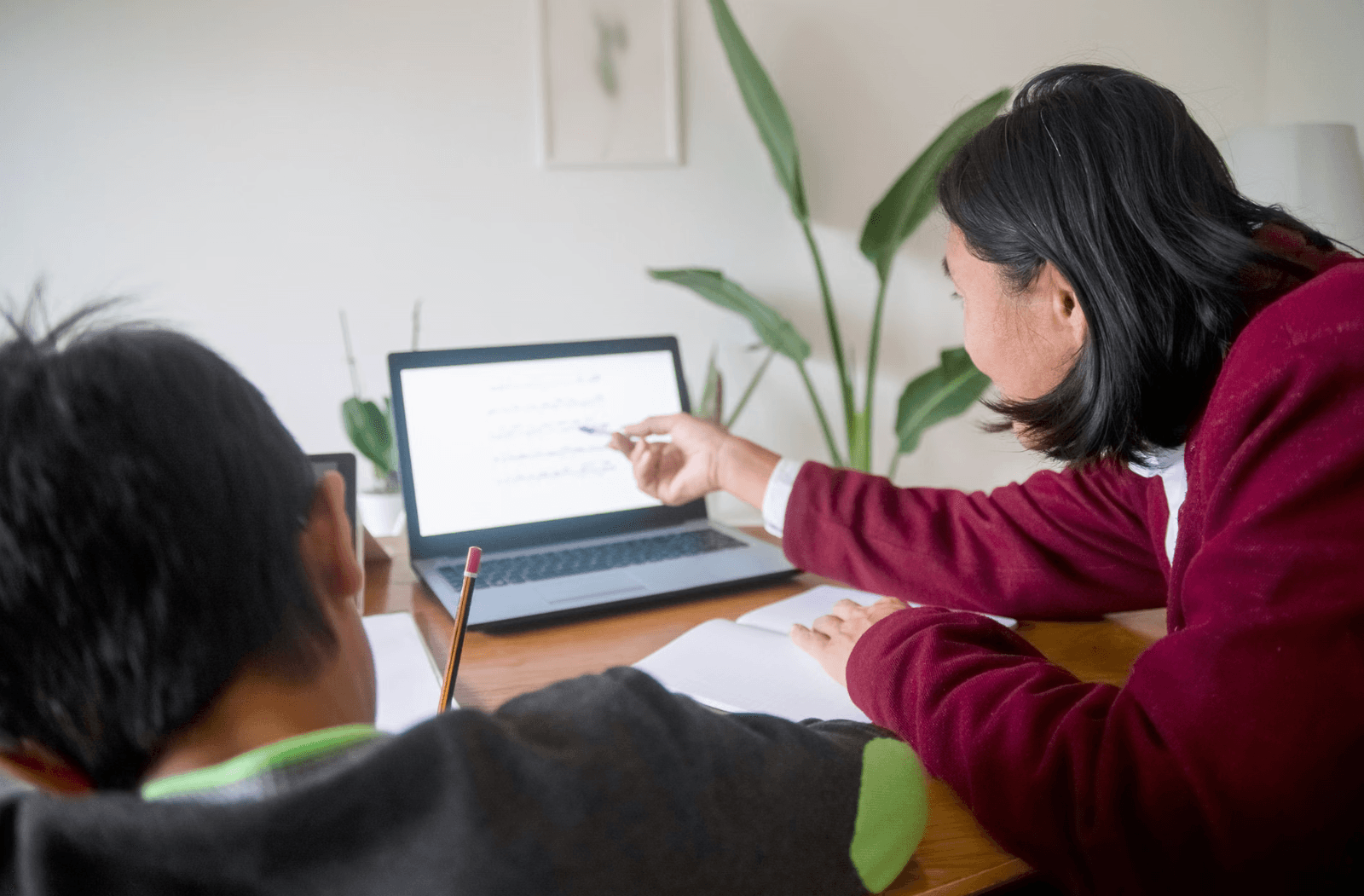
- Parent and caregiver training: A BCBA can coach you directly through video sessions, walking you through strategies to use with your child between therapy visits.
Both of these support the therapy your child receives in person. Neither one replaces it.
How Remote BCBA Supervision Works
A BCBA oversees your child's treatment plan throughout their time with Utilize ABA. Depending on the plan and your family's needs, some of that oversight can happen remotely. A BCBA might:
- Review session notes and progress data from recent in-person visits
- Meet with the clinician working with your child to adjust goals or strategies
- Join a portion of a session by video to observe and give guidance
- Check in with you about progress and next steps
This keeps the clinical plan responsive without requiring extra in-person visits solely for supervision.
How Remote Caregiver Training Works
Caregiver training is one of the biggest opportunities for telehealth in ABA therapy, since it doesn't require the same hands-on structure as a child's direct session. A typical remote caregiver training session might include:
- A BCBA walking you through a specific strategy, like how to respond to a behavior or reinforce a skill
- Live coaching while you practice with your child in front of the camera
- Visual supports shared on screen, like picture cards or schedules
- Time to ask questions about what you're seeing at home
Our team leans on caregiver involvement throughout your child's plan. Building your own skills as a parent, alongside what your child works on in session, helps that progress carry over into everyday life at home.
What You Need for a Remote Caregiver Training Session
Getting set up for a video caregiver training session doesn't take much. Most families already have what's needed:
- A computer, tablet, or smartphone with a camera
- A stable internet connection
- A quiet, low-distraction spot in your home
- Time set aside without your child needing to be the focus, unless the BCBA asks you to practice together on camera
Our team walks you through scheduling and setup, so nothing about the tech side should feel confusing. You can find out more about how we approach our services before your first session.
Also Read: Does Insurance Cover ABA Therapy? How Utilize ABA Helps
Is Remote Support the Right Fit for Your Family?
Remote BCBA supervision and caregiver training tend to fit well for:
- Families who want more frequent check-ins with a BCBA without adding extra trips
- Parents who want direct coaching on strategies to use between in-person sessions
- Families in rural parts of Colorado where getting to the clinic for every touchpoint is difficult
- Caregivers who want to stay closely involved in their child's plan
Your child's direct therapy sessions still happen in person, since hands-on instruction works best with a clinician physically present. Our team talks through your child's full plan during an initial consultation, including which parts of the process might involve video.
Benefits of Combining In-Person Therapy with Remote Support
Families who use this combination often point to a few advantages:
- Fewer extra trips needed just for supervision check-ins or parent coaching
- Caregiver coaching that fits into evenings or other flexible times
- A BCBA who stays closely connected to a child's progress between visits
- Continued access to clinical guidance even for families further from the clinic
A brief video consultation with a BCBA also makes it easier to ask questions and understand your child's plan before committing to services.
Also Read: In-Home ABA Therapy With Utilize ABA: What Families Across Colorado Can Expect
How Online Support Can Work Alongside In-Home and School ABA Support
Remote supervision and caregiver training don't replace other parts of your child's support. Many families combine in-person ABA sessions with school coordination and caregiver coaching, and this mix often works well.
Say your child works on a communication goal during an in-person session on Monday. A caregiver training call later that week helps you practice the same strategy at home, and the BCBA also loops in your child's teacher on the plan. Consistency across settings matters more than which setting delivers each piece. When everyone uses the same strategies, a child picks things up faster and holds onto them longer.
Our team at Utilize ABA works to keep that consistency in place across in-person sessions, caregiver coaching, and school coordination.
When We Recommend Remote Support
Your first sessions with Utilize ABA start in person, where a clinician gets to know your child and begins working toward goals based on an assessment. From there, a BCBA will let you know if remote caregiver training or additional supervision check-ins make sense for your family. You'll get clear feedback along the way, and our team stays in touch about progress and next steps.
If you're curious about what other families have experienced, our blog covers common questions about how ABA therapy works.
Frequently Asked Questions
1. Does Utilize ABA offer fully virtual ABA therapy?
No. Direct ABA therapy sessions happen in person with a trained clinician. A BCBA may provide supervision and clinical oversight remotely, and caregiver training is sometimes offered by video.
2. Is remote BCBA supervision covered by insurance in Colorado?
Coverage varies by plan. Our team can help you check your specific benefits before starting services.
3. How long does a caregiver training video session last?
Sessions usually run 30 to 60 minutes, depending on the topic and how much practice time is involved.
4. Do I need to be present during my child's in-person sessions?
It depends on your child's age and goals. Younger children often benefit from caregiver involvement in session, while caregiver training calls give you a separate space to build your own skills.
5. Can a child start ABA therapy without ever having in-person sessions?
No. Direct ABA therapy at Utilize ABA is delivered in person. Remote support through BCBA supervision and caregiver training works alongside those in-person sessions, not in place of them.
Ready to Learn More?
If you're weighing how ABA therapy works and where remote support might fit in, we'd like to talk it through with you. Our team can answer your questions and help you figure out the right starting point for your child.
Call Utilize ABA at 303-730-8008 or email hello@utilizeaba.com to set up a conversation. We're here to help, wherever your family is starting from.
Also Read: Reinforcing ABA Skills At Home: Why Utilize ABA Partners With Parents
This article has been reviewed for clinical accuracy by Sarah Powell, BCBA, a Board Certified Behavior Analyst with experience supporting children with autism and their families through evidence-based ABA therapy. Content is reviewed to ensure it reflects current ABA best practices and is accurate at the time of publication.